Sustainable Development Goals (SDGs): Empowering Future Leaders
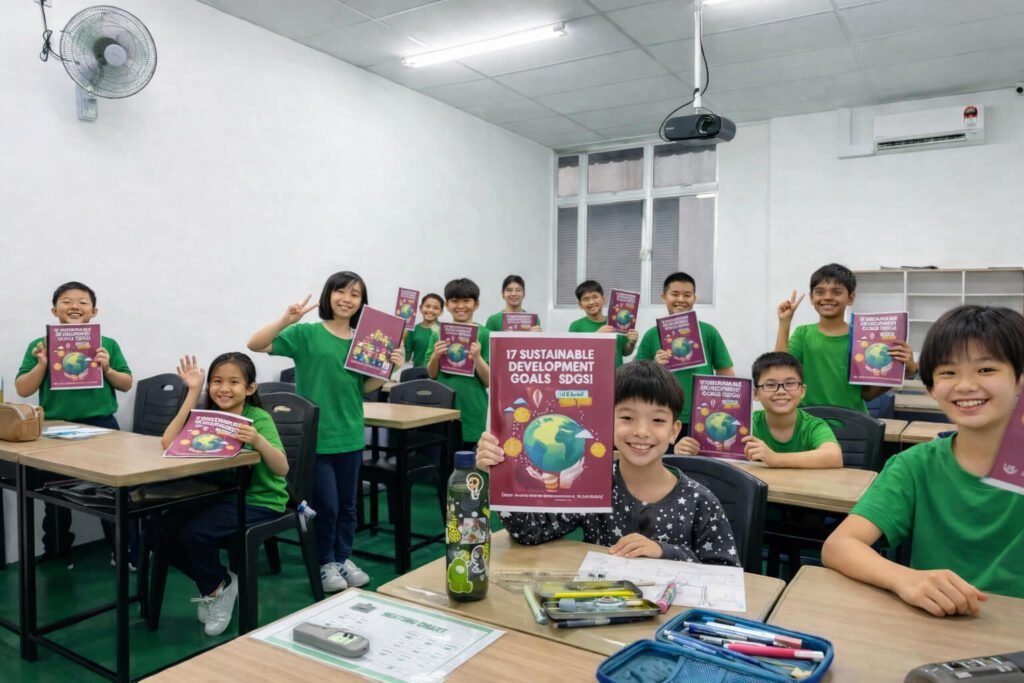
A truly high-quality education should extend far beyond the walls of the classroom. To prepare students for an ever-changing world, the United Nations Sustainable Development Goals (SDGs) are fully integrated into the core curriculum. By doing so, we empower learners to become compassionate leaders and impactful global citizens who understand their role in creating a better future for all.
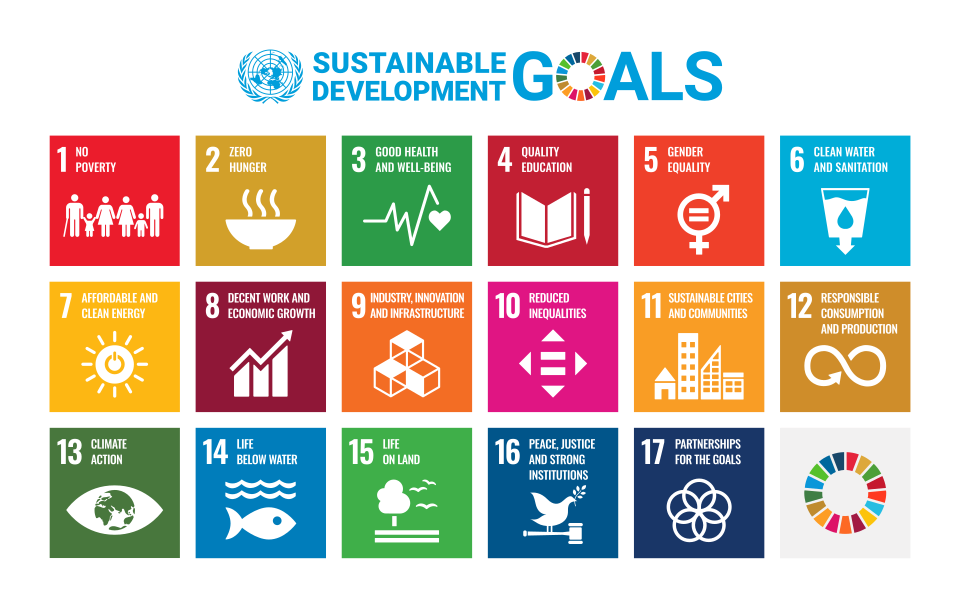
The SDGs, also known as the Global Goals, are a universal call to action adopted by all United Nations Member States in 2015. They consist of 17 interlinked goals designed to be a “blueprint to achieve a better and more sustainable future for all” by 2030. These goals address urgent global challenges, including poverty, inequality, climate change, environmental degradation, peace, and justice.
Implementing a Global Curriculum in Our Classrooms
From the Pre-Primary foundation to Secondary IGCSE levels, the SDGs are woven into various subjects to provide a holistic learning experience:
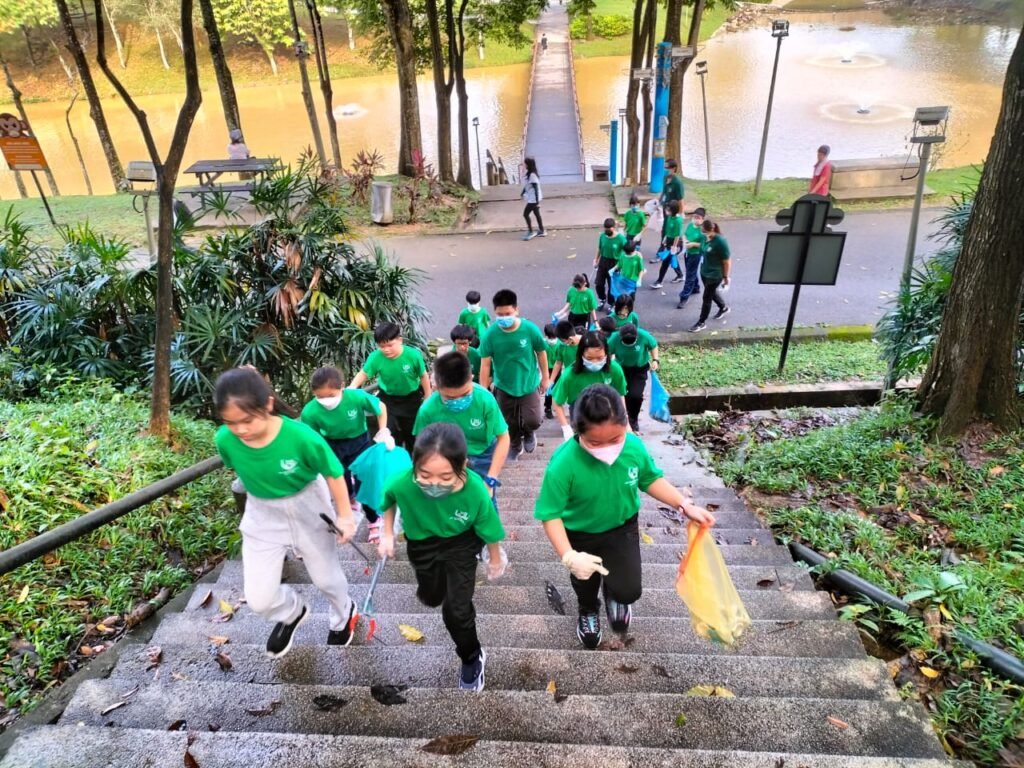
Science & Environmental Studies: Exploring Climate Action (Goal 13) and Affordable and Clean Energy (Goal 7) through hands-on experiments and local environmental initiatives.
Humanities & Social Studies: Discussing Reduced Inequalities (Goal 10) and Peace, Justice, and Strong Institutions (Goal 16) to build a sophisticated understanding of global history and current events.
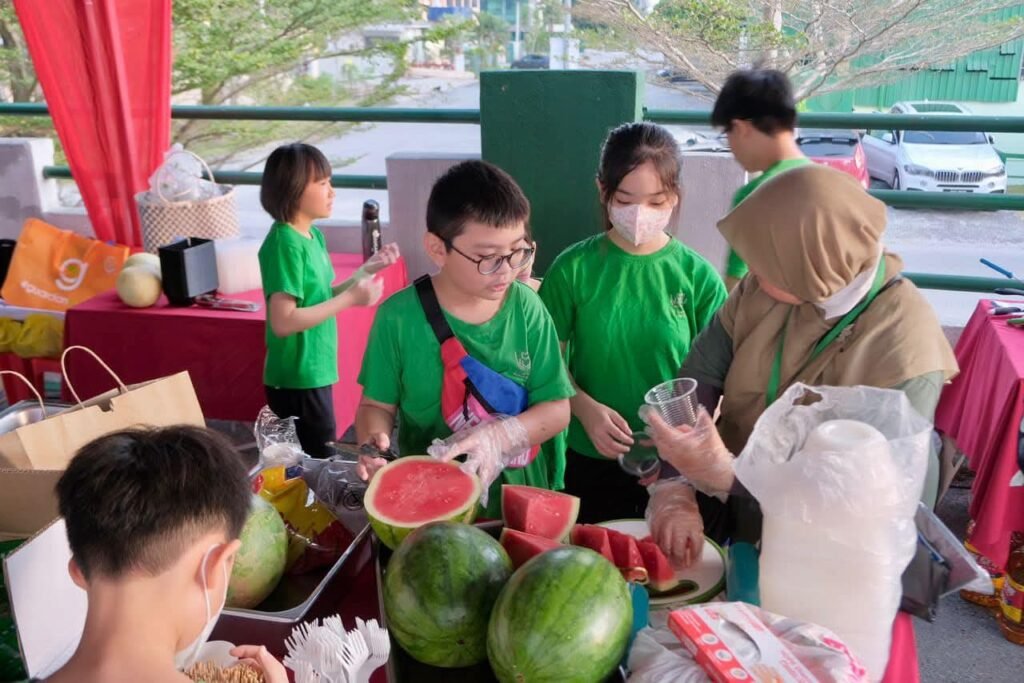
Community Outreach & Social Responsibility: Our students participate in charity drives and awareness campaigns that directly support No Poverty (Goal 1) and Good Health and Well-being (Goal 3) within the Puchong community.
Sustainable Development Goals (SDGs): Empowering Future Leaders
Integrating these goals is a key Unique Selling Proposition (USP) of our educational framework in Puchong. We do not simply teach them as abstract theory; we live them through daily school activities and student-led projects.
Developing Empathy and Awareness: Students learn to see the world through a lens of compassion, understanding the unique challenges faced by different communities across the globe.
Fostering Critical Thinking with NPDL: Through our affiliation with New Pedagogies for Deep Learning (NPDL), the SDGs serve as a foundation for real-world problem-solving. This moves beyond traditional rote learning to deep, meaningful engagement.
Empowering Student Agency: We encourage learners to take ownership of their progress. Whether it is a project focused on Zero Hunger (Goal 2) or Life Below Water (Goal 14), students are taught that their voices and actions can spark genuine change.