
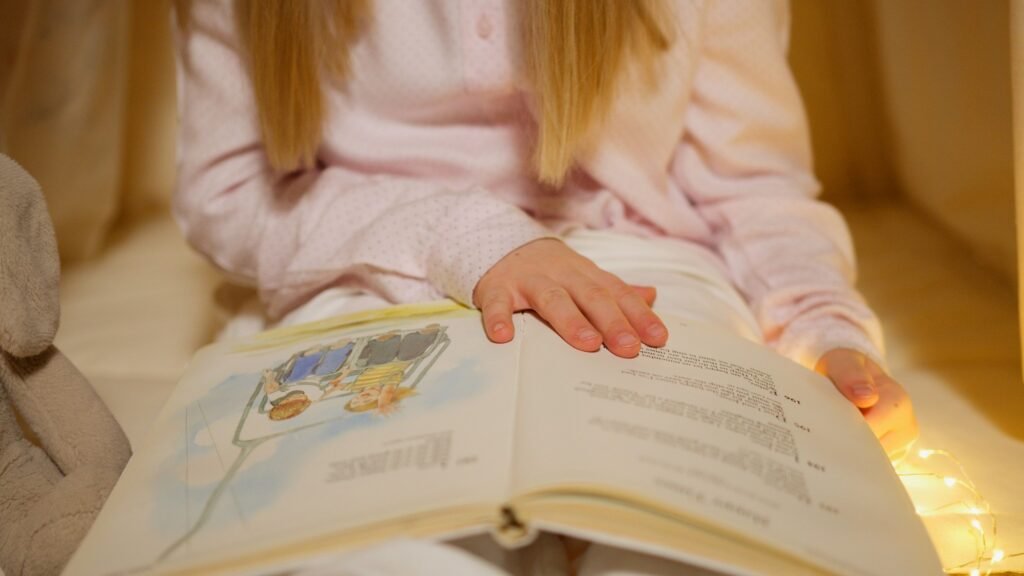
A common question that most parents often ask, “How can I get my child to love reading?”. For many families, evening reading sessions can sometimes quickly become a source of frustration especially when a child resists opening their reader or gets upset over a familiar word.
However, reading resistance is rarely a sign of defiance or a lack of ability. In most cases, it is simply a child reacting to the immense mental effort required to decode language after a long day at school.
What happens during a single line of reading? A child must recognize letter shapes, recall matching sounds, hold those sounds in working memory, blend them together, and somehow remember what the story is actually about.
After hours of classroom learning, a tired brain simply runs out of stamina. When a child feels put on the spot, anxiety kicks in, making decoding even harder. Turning home reading into a peaceful, rewarding routine does not require rigid drills or intense pressure. A few thoughtful shifts can protect your child’s emotional wellbeing while building genuine, lasting reading confidence.
1. Read as a Team Instead of Testing
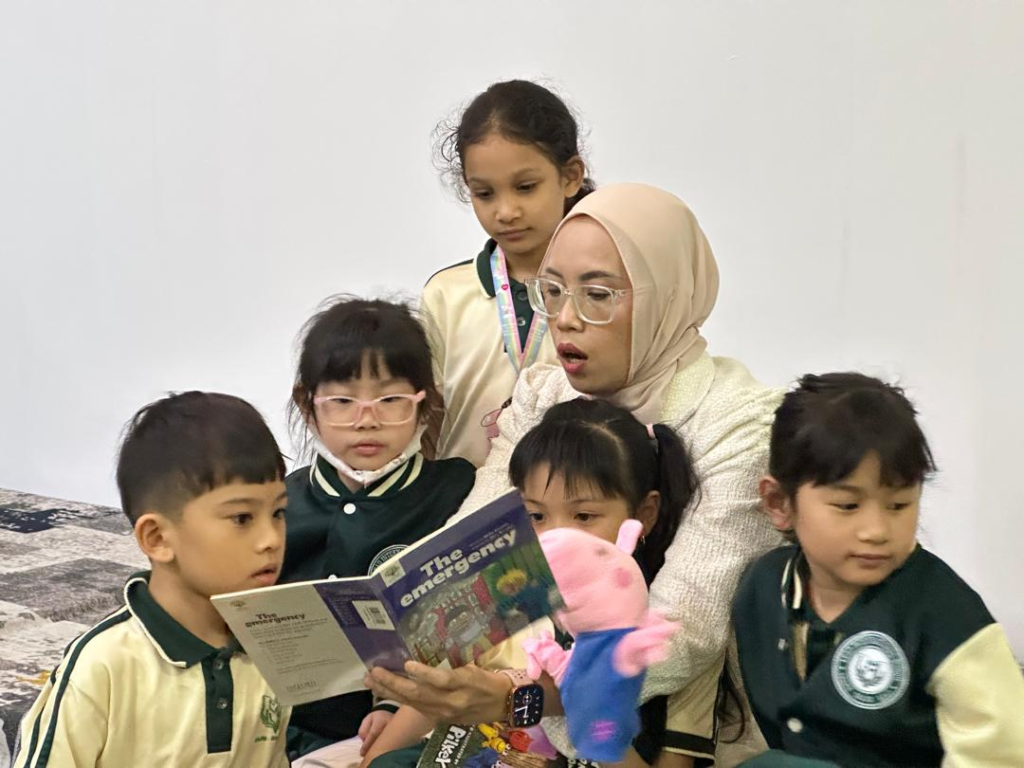
When a child feels evaluated every time they open a book, reading starts to feel like an oral exam. Sharing the heavy lifting takes the pressure off while keeping story momentum going.
- Echo Reading: Read one sentence aloud with natural expression, pointing to the text. Invite your child to “echo” the sentence back to you while tracking the words with their finger.
- Turn-Taking: Read the longer, descriptive paragraphs yourself, leaving your child to read the short character dialogue or repetitive refrains.
- Soft Unison: Read aloud together at the same time in a quiet voice. If your child stumbles over a word, keep your voice going gently so they can glide right over the obstacle without stopping.
By sharing the reading experience, you allow your child to enjoy the story without suffering from decoding exhaustion.
2. Build Confidence with Level-Matched Books
Handing a hesitant reader a book filled with unpredictable vocabulary often leads to wild guessing and sudden frustration. Children flourish when their home readers match their exact phonetic stage.

What is the Oxford Reading Programme?
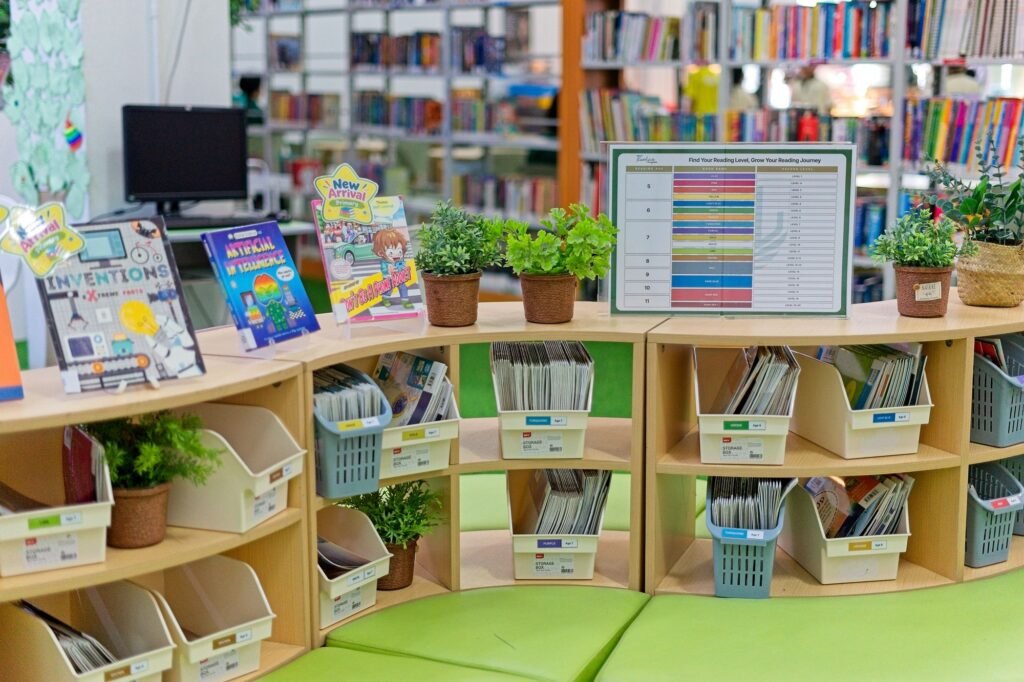
Developed by Oxford University Press, the Oxford Reading Programme is a world-renowned, level-based reading scheme designed to guide children step-by-step from early phonics to fluent, independent reading.
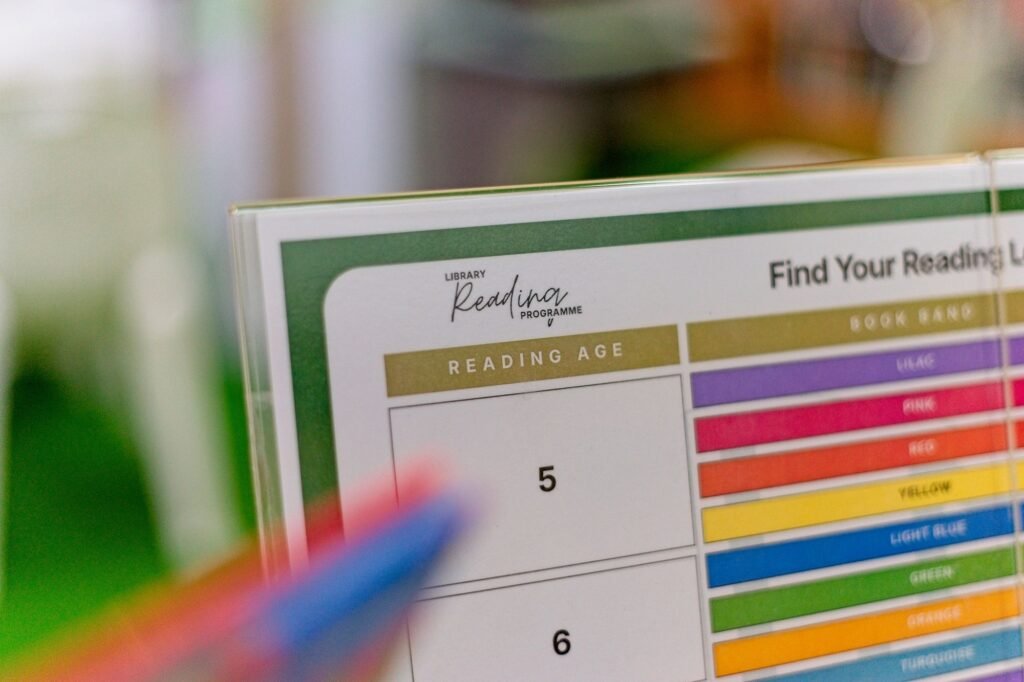
Through carefully graded, colour-coded book bands, students read books precisely matched to their individual reading level. This structured approach ensures children master specific letter sounds, high-frequency sight words, and vocabulary before moving up to the next band. Reading according to individual levels eliminates guessing, builds steady confidence, and ensures every child experiences constant success.
At Lead International School, our Pre-Primary and Primary Programme embeds the Oxford Reading Programme directly into our daily curriculum. By pairing level-appropriate decodable practice, our students look forward to every new book. Reading at their own pace fosters a genuine, lifelong love for reading.
3. Remember That Every Form of Print Counts
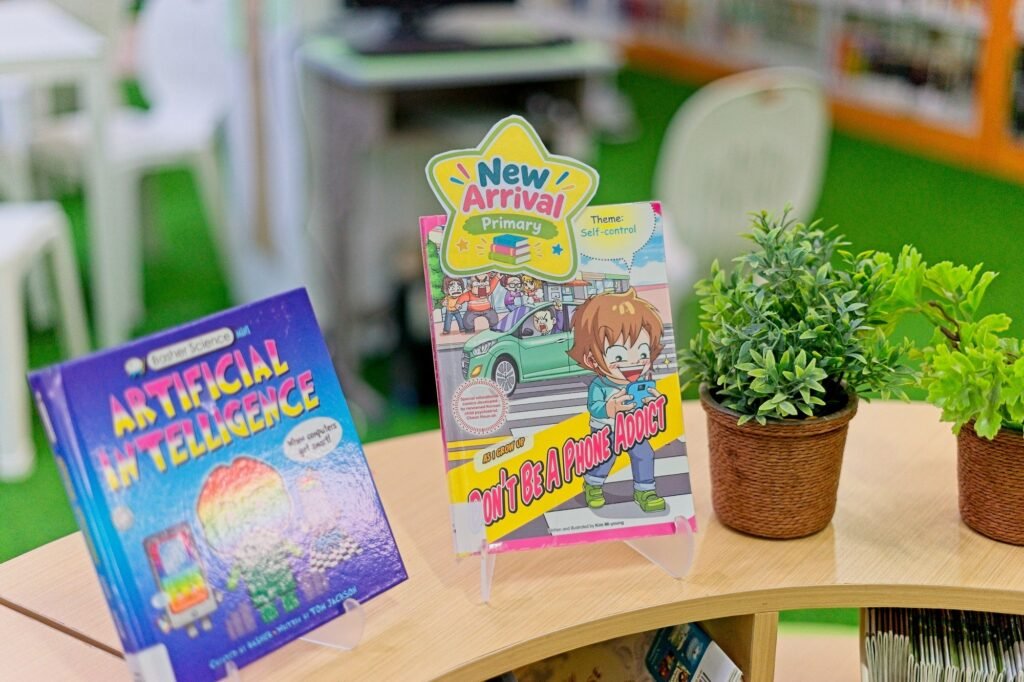
A common trap for parents is believing that reading only counts when a child sits quietly with a traditional book. In reality, literacy skills flourish across all kinds of written media.
- Graphic Novels and Comics: Visual panels provide rich context, allowing reluctant readers to follow complex plots without feeling overwhelmed by dense text.
- Audiobooks: Listening builds advanced vocabulary, listening comprehension, and narrative appreciation while physical decoding skills catch up.
- Non-Fiction & Fact Books: Bite-sized facts, captions, and diagrams about space, animals, or engineering often captivate children who find fiction less appealing.
- Everyday Print: Recipes, board game rules, street signs, and shopping lists clearly demonstrate the real-world utility of reading.
If your child is actively engaged with text, it counts as valuable reading practice.
4. Create an Inviting Space for Books
A formal study desk under bright lights can make home reading feel like an extension of the school day. Small, intentional changes to your home environment can make books feel far more approachable.
Set up a cozy reading nook with soft cushions, warm lighting, and a small selection of books displayed with their colourful front covers facing outward at eye level.

Keep sessions short and flexible. Two easy five-minute micro-sessions tucked naturally into the day are far more effective than forcing a long twenty-minute session when everyone is tired.
5. Praise Strategy and Know When to Stop
Focusing on how your child tackles a word builds lasting resilience much faster than simply praising them for getting it right.
- Praise Specific Effort: Say, “I loved how you paused, looked at the first two letters, and worked out that tricky word all by yourself.”
- Protect the Emotional Atmosphere: If your child is genuinely overwhelmed, close the book calmly. Say, “Your brain worked really hard today. Let us pause here, and I will read the rest of the story to you tonight.”
Leaving every reading session on a peaceful note ensures your child feels safe, capable, and ready to try again tomorrow.
The LSL Library Reading Programme
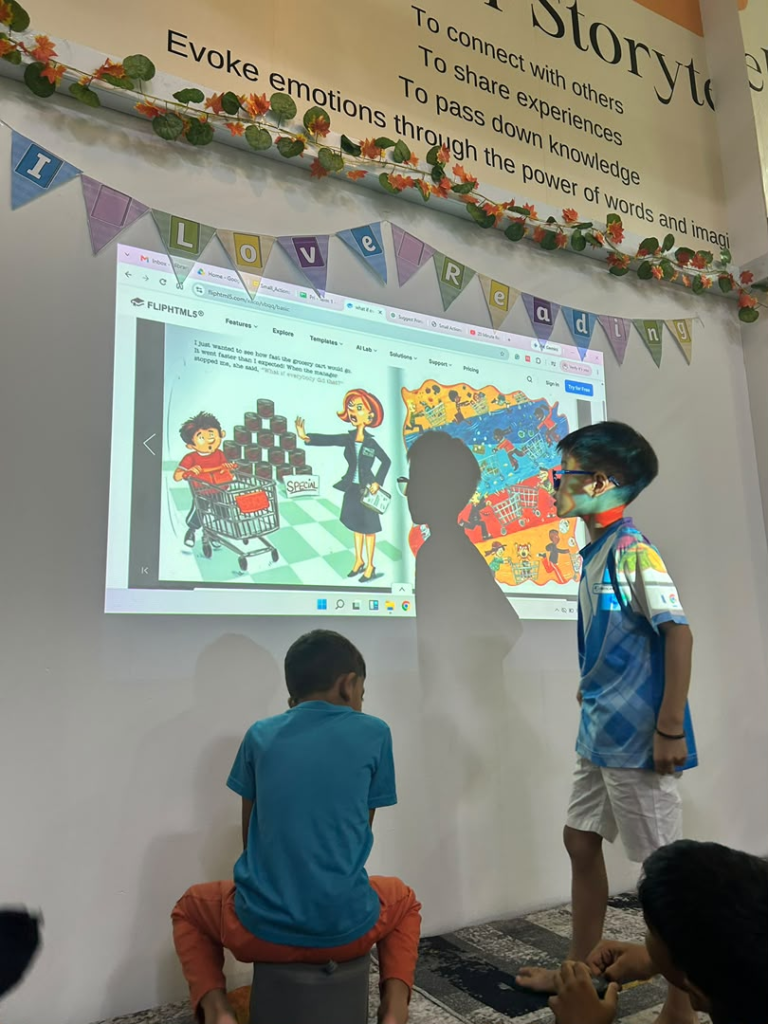
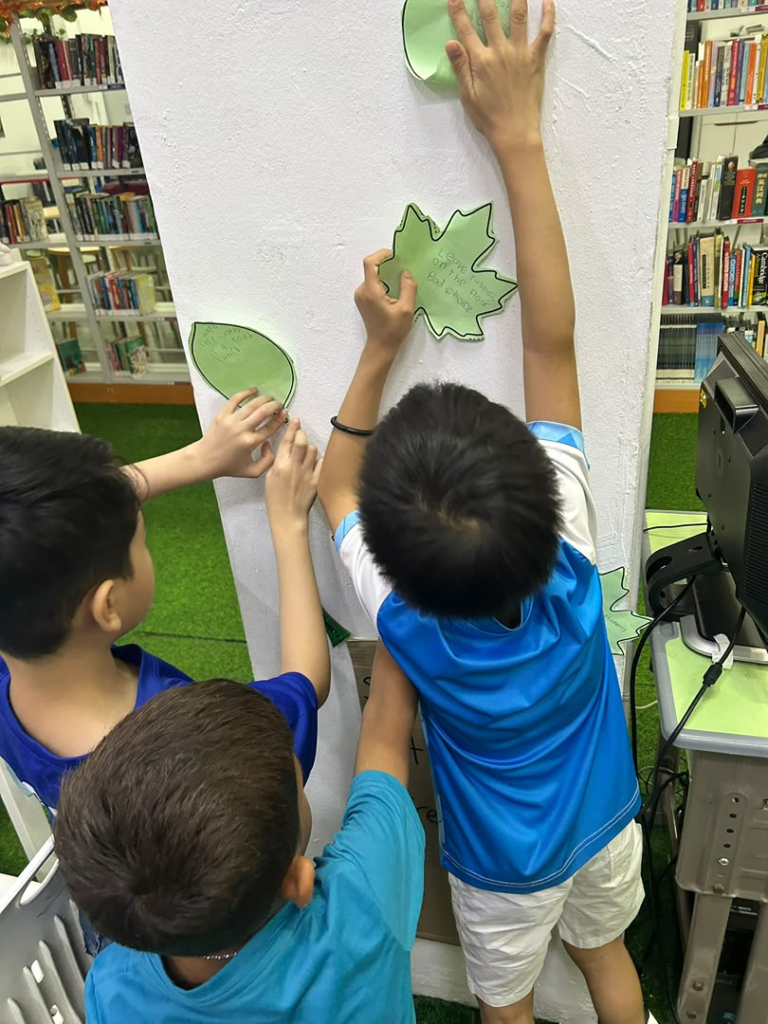
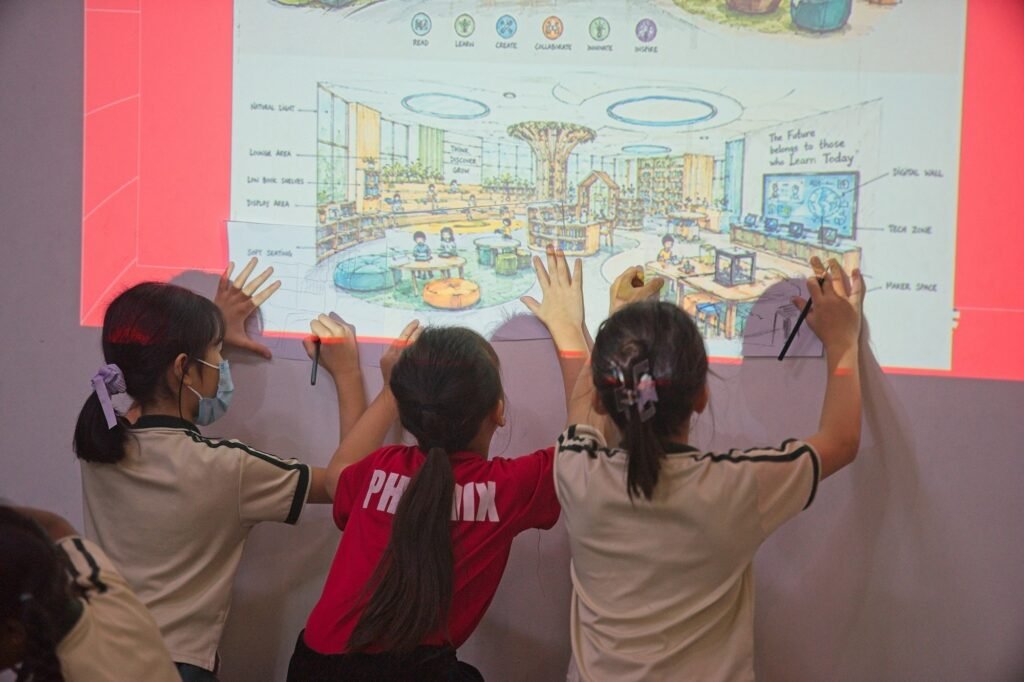
Building a thriving reading culture extends far beyond classroom hours. As part of our commitment to nurturing confident, curious readers, the LSL Library Reading Programme brings our school community together through rich, immersive experiences.

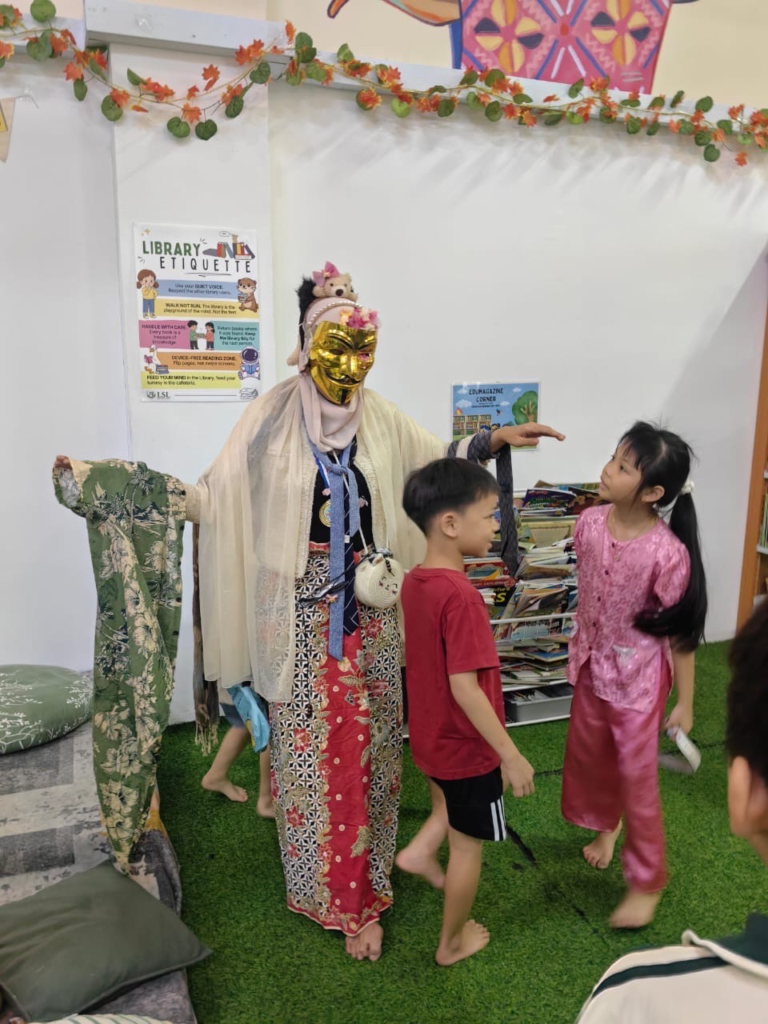
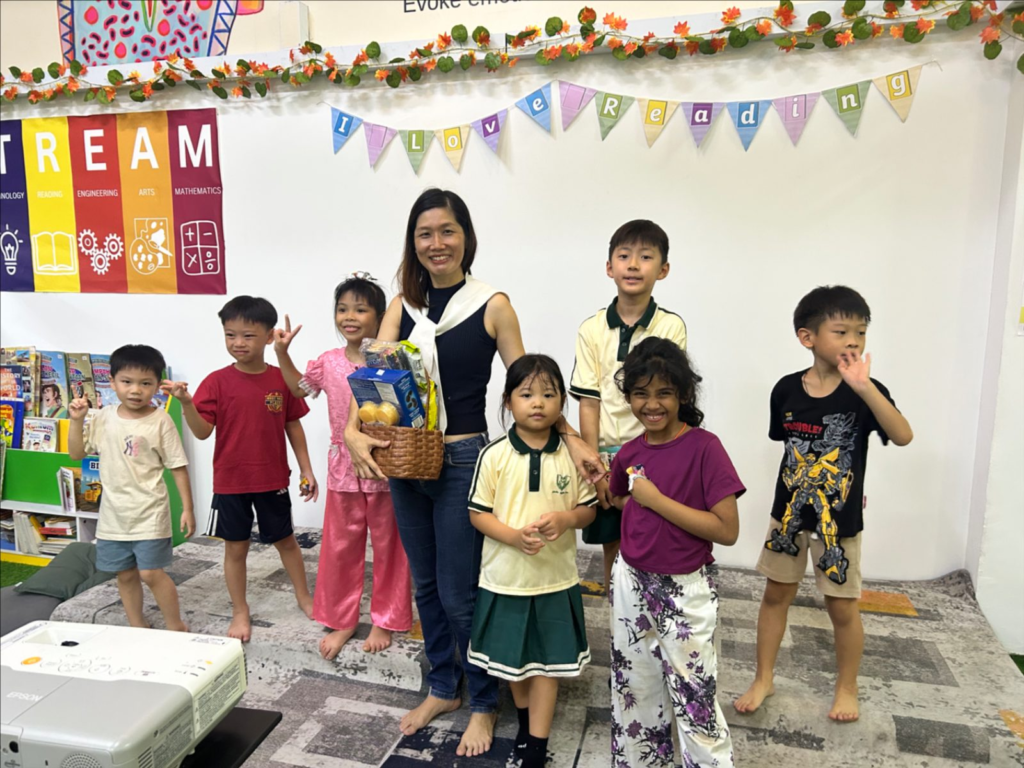
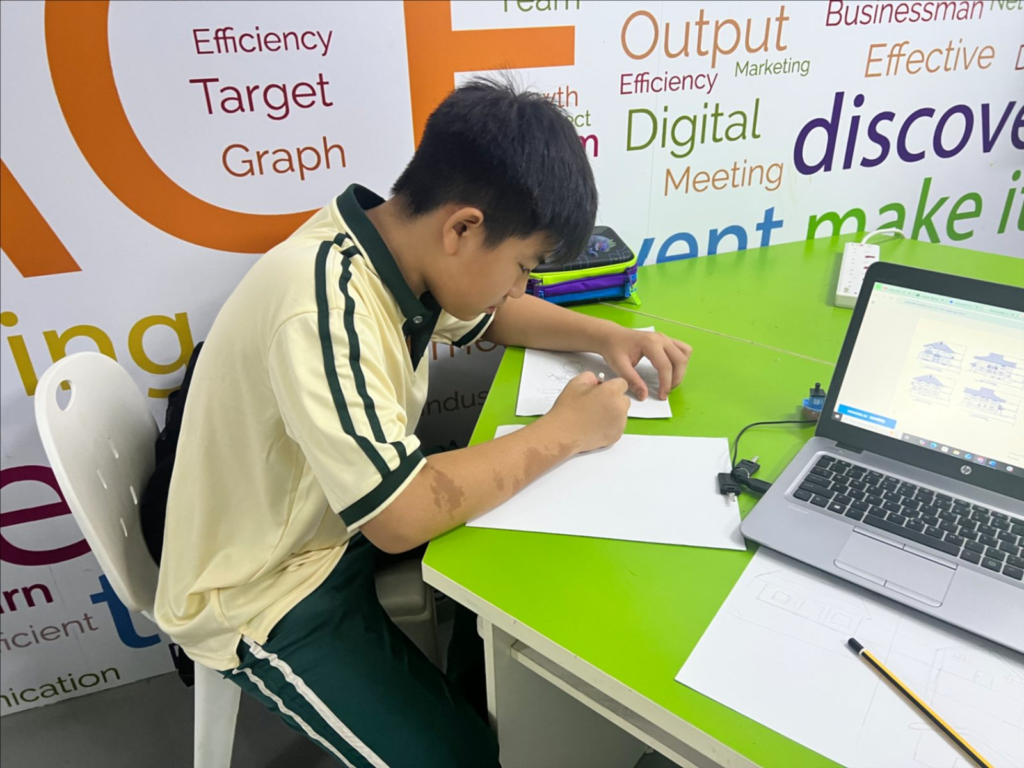
On weekends, our school comes alive with dedicated library activities hosted by our Library Director alongside fantastic parent volunteers. These interactive sessions bring stories off the page and into real life through:
- Hands-on arts and crafts inspired by literary themes
- Expressive storytelling sessions and drama workshops
- Creative 3D modelling and hands-on maker activities
Seeing parents and educators collaborate in the library shows students that reading is a celebrated, joyful community value.
Frequently Asked Questions (FAQ)
How do I know if the book my child is reading is suitable for their level?
You can easily gauge whether a book is at the right reading level at home using a few simple, practical techniques without needing specialised teaching tools.
1. The Five-Finger Rule (Quick At-Home Test)
This is the simplest way to test any non-levelled book or home storybook:
Have your child open the book to a typical page of text in the middle and read it aloud.
Hold up one finger every time your child stumbles on a word, hesitates for more than five seconds, or cannot decode a word.
- 0 to 1 fingers: Easy text. Perfect for building reading speed, confidence, and relaxed bedtime reading.
- 2 to 3 fingers: The “Sweet Spot.” This is the ideal level for independent reading, offering just enough challenge to grow their skills without causing distress.
- 4 to 5+ fingers: Too challenging for independent reading. Save these books for shared reading, where you read the main story together.
2. Understanding Oxford Book Bands and Level Indicators
If you are buying or borrowing books outside of school, you can easily map them to the Oxford Reading Programme:
- Level 1 / 1+: Pink / Red
- First letter sounds, short decodable words, and simple sight words.
- Level 2 to 3: Yellow / Blue
- Early sentence building, predictable patterns, and basic phonics blends.
- Level 4 to 5: Green / Orange
- Growing vocabulary, longer sentences, and familiar story arcs.
- Level 6 to 9: Turquoise / Purple / Gold / White
- Developing fluency, longer stories, and early chapter books.
- Level 10+: Lime / Copper / Topaz / Ruby +
- Independent reading with complex storylines and advanced vocabulary.
Check the back cover or inside cover of Oxford University Press titles for the small printed Oxford Level or Book Band logo.
3. The 95% Accuracy & Comprehension Check
A book is at a child’s instructional level if they can read 95% of the words correctly on a single page. If your child reads 20 words, they should ideally stumble on no more than 1 word. Additionally, check their understanding with a quick, low-pressure question:
- “What did he just do on that page?”
- “Why do you think they looks surprised?”
If your child can decode the words correctly but cannot explain what just happened, all their mental energy is going into sounding out letters. Drop back down one level until their reading sounds more fluid.
4. Matching Early Phonics Sounds
For early readers (Oxford Levels 1 to 4), check whether the book matches the letter sounds your child is currently learning in class. If a story contains complex letter combinations they have not yet encountered (such as tion, ight, or complex vowel blends), treat those tricky words as team efforts rather than expecting your child to decode them cold.
What if the book is not from the Oxford University Press titles?
Evaluating books from other publishers such as Usborne, Scholastic, Ladybird, or Penguin is straightforward once you know what structural features to look for. You do not need an official level code on the cover to determine whether a book is right for home reading.
1. The Universal 5-Finger Rule
This simple test applies to any storybook, comic, or non-fiction title
2. Mapping Popular Publisher Systems
Many major publishers print their own level markers on the back cover or inside title page:
| Ladybird Readers | Usborne Reading Programme | Scholastic Readers | Guided Reading (A–Z) |
| Levels 1 to 4 | Very First Reading -> First Reading (Levels 1–4) | Acorn Series -> Branches Series | Letters A to Z |
| Level 1 (first phonics) to Level 4 (fluent reading) | Co-reading with parents progressing to short chapter books | Acorn (early decodable) -> Branches (first chapter books) | A–D (Early Pre-Primary), E–J (Year 1), K–M (Year 2), N+ (Year 3+) |
3. The 10-Second Visual Layout Check
You can quickly assess a book’s difficulty before opening it with your child by scanning three layout features:
- Text Density: Early readers feature 1 to 3 lines per page with generous line spacing. Intermediate readers shift into short paragraphs, moving eventually to full-page text.
- Illustration Clues: In early-stage books, pictures directly mirror the text to support comprehension. As level increases, illustrations become decorative rather than explanatory.
- Sentence Length: Look for repetitive, predictable sentence patterns for early readers, progressing to complex sentences with varied punctuation for more experienced readers.
4. Distinguish “Independent Reading” from “Shared Storytime”
If your child picks out a non-levelled book that is far too difficult to decode, you do not need to take it away. Simply switch roles: you read the text aloud to enjoy the story together. Listening to rich, complex books builds advanced vocabulary and narrative comprehension, keeping your child engaged in reading while their physical decoding skills catch up.
Take the Next Step with Us
- 📖 Discover our Pre-Primary Programme: Learn how our nurturing curriculum and the Oxford Reading Programme build strong early literacy foundations.
- 📚 Learn more about the LSL Library: Explore our vibrant library space, weekend community activities, and reading initiatives.
- 🛠️ LSL Library Consulting Service: Partner with us to design inspiring, high-impact reading environments for schools and educational spaces.